How to Do Scissor Kicks the Right Way
 11 min
You're on the floor, legs straight, starting fast because that's what the internet always seems to reward. A few seconds later, your hip flexors are burning, your lower back feels loose in the wrong way, and your abs still don't feel like they did much at all. That's usually the point where people decide scissor kicks are either too hard or just not for them.
They're not the problem. The way they're done is.
Table of Contents
- What Scissor Kicks Are
- Setting Up and Executing the Movement
- Tempo, Breathing, and Reps
- The Form Breaks That Ruin Scissor Kicks
- Easier Versions and Harder Versions
- Fitting Scissor Kicks Into Your Routine
What Scissor Kicks Are
Scissor kicks are a supine core exercise, done on your back with the legs extended and alternating in a crossing pattern while the lower body stays lifted off the floor. In coaching and rehab settings, they're also called flutter kicks or lying scissor kicks, and they sit in the same family of controlled bodyweight drills used for core conditioning and recovery work Healthline's scissor-kick guide and the Ohio State physical therapy handout on core work after surgery (OSU PT core after surgery PDF).
The main job of the exercise is to keep tension on the abdominal wall while the legs move independently. That is why the movement strongly recruits the rectus abdominis, obliques, and transverse abdominis, while the hip flexors, glutes, quads, and adductors also come into play, which is exactly why form matters so much.
What the movement should feel like
Done well, the abs feel braced and controlled, not crunched. The lower back stays quiet, the pelvis stays steady, and the legs feel long and active instead of heavy and floppy. Done poorly, the hip flexors take over and the lumbar spine starts to complain.
Practical rule: if your lower back is doing the talking, the abs have already lost the set.
That is why I teach scissor kicks as a tension-management drill, not a rep-counting ab exercise. Every cue that follows comes back to one question, can you keep the core loaded while the legs move, or do the hip flexors steal the work?
Setting Up and Executing the Movement
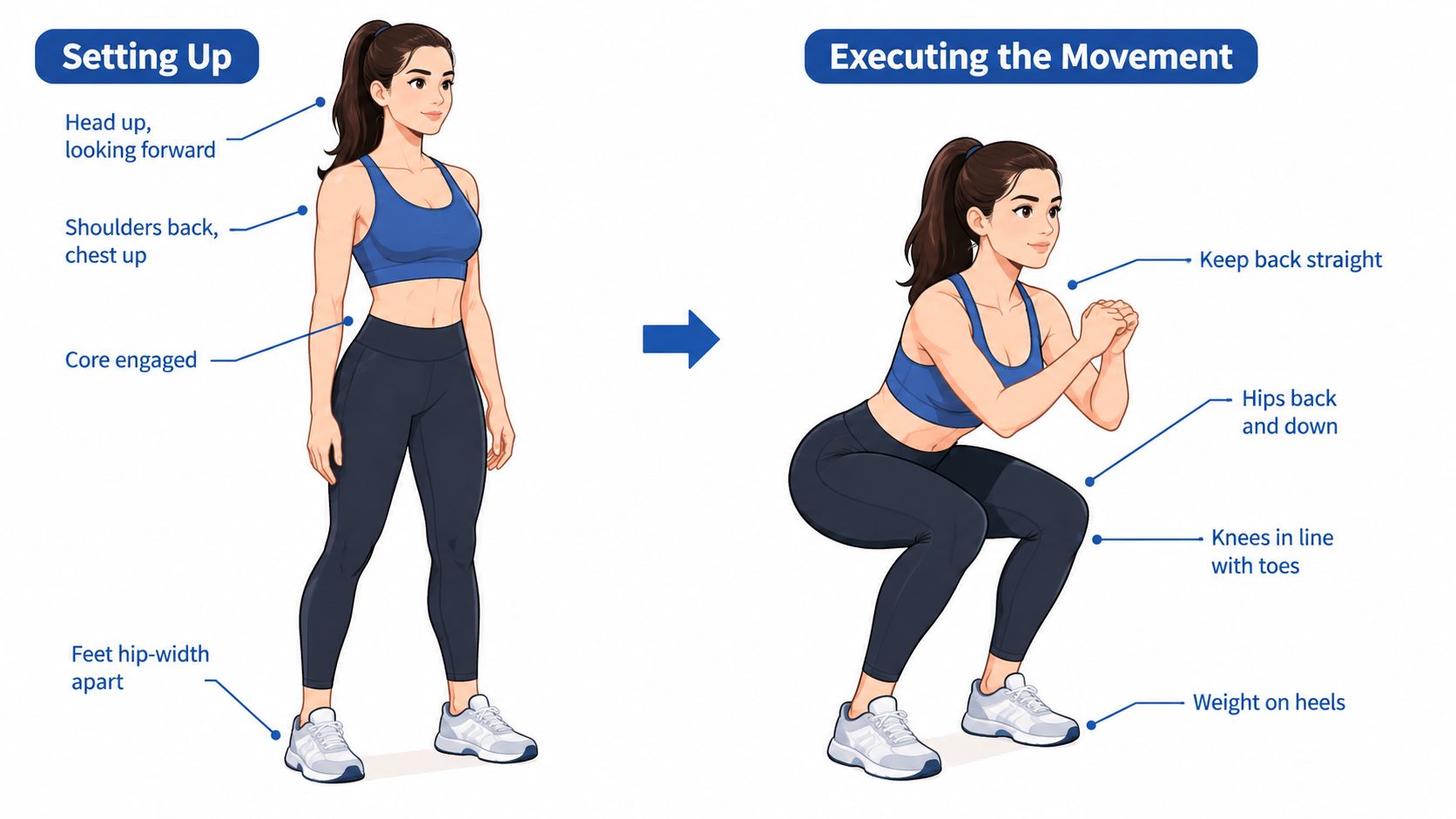
A good set starts before the first leg move. Lie on your back, place your hands under your glutes or just under the pelvis, and press the lower back gently into the mat so the core is already braced. That support keeps the pelvis from tipping the moment the legs leave the floor.
Lift the head and shoulders just enough to turn on the front of the torso, then bring both legs into a low hover. Keep the legs long, with only a slight bend if the knees need it. The hover should stay low enough that the abs keep working and the hip flexors do not take over. If the legs rise too high, tension leaks out of the core and the drill turns into a loose leg swing.
The actual scissor pattern
From that hover, one leg reaches forward as the other draws back, then they switch. The movement stays small and deliberate. The torso stays quiet, the pelvis stays level, and the lower back stays pressed down the whole time.
Exhale as one leg reaches long, inhale as it returns. Keep the breath smooth enough that you do not start flaring the ribs or chasing the motion with your hips. Once the breathing gets choppy, the set is usually drifting away from the abs and into momentum.
The one mistake that ruins this exercise for beginners is letting the low back arch the moment the legs separate. Once that happens, the hip flexors take over and the core stops doing its job.
Keep the range short enough that you can feel the abs hold the pelvis down, not so low that the back starts lifting every time the legs switch.
Reach long through the heels and keep the center heavy. That cue helps you maintain tension where it belongs, which is the whole point of scissor kicks.
Tempo, Breathing, and Reps
A clean set of scissor kicks is built on tension, not pace. Slow reps give the abs time to keep the pelvis pinned while the legs switch, and that is why a controlled pattern works better than a rushed one. I coach this as a time-under-tension drill, because the job is to keep the core working while the legs move, not to chase as many swings as possible. Bodyweight Workout Journal
A useful rhythm is two seconds out, two seconds back, with a brief hold as one leg finishes its reach and the other takes over. One full breath cycle per switch works well, exhale through the reach, keep the brace through the trade, then inhale on the return. That keeps the ribs quiet and prevents the breath from turning into a jerk that pulls the torso out of position.
How many reps make sense
Start with a dose you can keep clean from start to finish. For many home clients, that means a short set of controlled passes and then stopping before the pelvis starts to wander. The rule I use is simple, the set ends when form breaks, not when the number on paper gets met.
Coach's rule: slow reps that stay honest beat fast reps that only feel hard.
If you want a practical way to track that, note the version you used and whether the low back stayed down the whole time. A simple training log, like the kind you might keep with other bodyweight work in a journal such as Bodyweight Workout Journal, makes it easier to repeat the right dose next time.
The trade-off is straightforward. Slower reps usually build more useful abdominal tension, while fast reps often turn the movement into leg motion. If the core is doing its job, the pelvis stays quiet and the legs only move as far as control allows.
The Form Breaks That Ruin Scissor Kicks
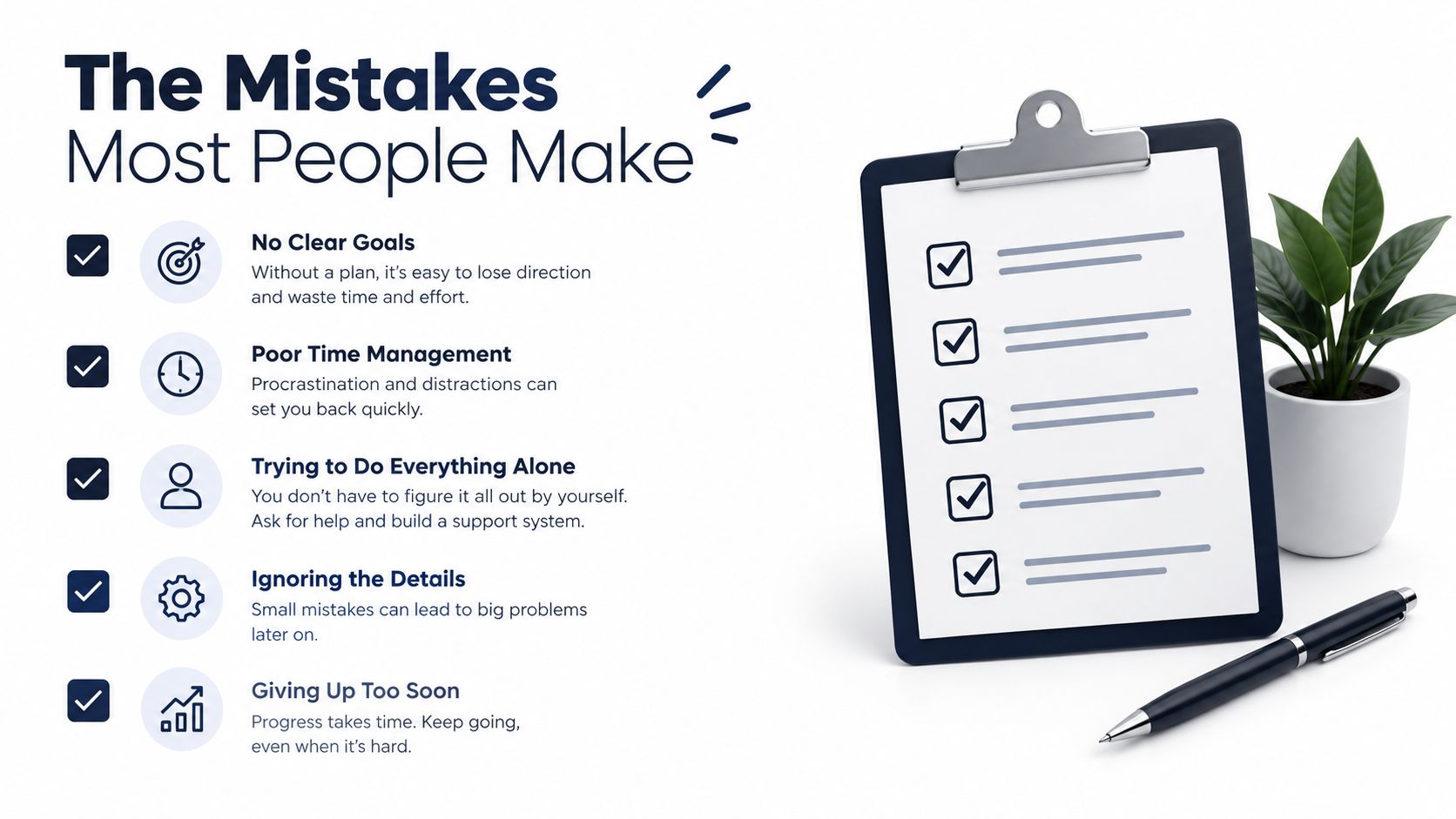
The biggest breakdown is letting the lower back arch off the floor. That usually happens when the legs drop too low, the tempo gets sloppy, or the abs stop holding the pelvis while the hip flexors take over. Once the back lifts, scissor kicks stop training tension in the core and turn into a front-of-hip exercise with a sore spine attached.
Fixes for the common form breaks
- Back arching: raise the legs a little higher and press the ribs down so the pelvis stays heavy.
- Knees bending too much: lengthen the legs and treat them like straight levers instead of relaxed bicycle pedals.
- Swinging from the hips: shorten the range and move slower so the legs cross instead of whip.
- Neck yanking up: keep the chin gently tucked and lift only enough to avoid collapsing through the torso.
- Holding the breath: breathe in rhythm with the switches so the abs can brace without the whole body stiffening.
The other problem I see often is the hands doing too much. If the hands are jammed under the hips and used as a prop, the torso stops organizing itself and the legs just move while the core goes quiet. Light support is fine, but the work still has to come from the abdomen.
If you need to stare at the ceiling on every rep just to keep from arching, the range is too low for your current strength.
Before each set, run a quick check. Lower back flat, ribs down, legs long, neck quiet, breathing steady. If any one of those is missing on rep one, make the movement easier before you make the set longer.
Easier Versions and Harder Versions
The cleanest progression rule is the same in both directions, can you keep the lower back glued to the floor for the whole set without shaking or arching? If not, step down. If yes, and the movement stays controlled for multiple sets, step up. That's the only ladder that matters.
| Level | Trait | Rep / Tempo Guidance | Trigger to Move |
|---|---|---|---|
| Dead bug leg hold | Bent knees, feet higher, lowest strain on the spine | Hold position with slow alternating reach | Move up when the back stays flat and breathing stays calm |
| Bent-knee scissor kicks | Shorter lever, less hip-flexor pull | Controlled switches with reduced range | Move up when the pelvis stays quiet through the full set |
| Full scissor kicks with reduced range | Straighter legs, still shallow hover | Slow switches, no low-back lift | Move up when form stays clean across multiple sets |
| Full scissor kicks | Legs long, hover low, core under real tension | Controlled tempo, no momentum | Move up when you can keep it tidy for repeated sets |
| Low hover plus pause | Harder leverage, more anti-extension demand | Add a pause at each switch | Step back if the back arches or the neck strains |
| Added load or slower tempo | More resistance or longer time under tension | Use sparingly, only after control is solid | Progress only when the basic version feels boringly stable |
If the set collapses before you can get through even a modest amount of clean work, the regression is the right move. That means bent knees, a higher hover, or a shorter range of motion until the core can own the position again. The point isn't proving toughness, it's keeping the load where it belongs.
For people who like pairing core work with crawling patterns and floor work, the transition is often smoother when scissor kicks sit beside drills that teach whole-body control, like the ones discussed in Bear Crawl Exercises. They're different movements, but they share the same demand, stay organized under tension.
Progress when control is automatic. Regress the moment control starts leaking.
Fitting Scissor Kicks Into Your Routine
Scissor kicks work better as a small, repeated exposure than as a once-a-week punishment set. Fatigue is exactly what makes the lower back peel off the floor, so short sessions done often usually teach the body more cleanly than one giant ab day. A practical home routine can stay tight, with a brief hollow-body prep, a few controlled sets of the kick itself, and one balancing drill like dead bug or bird dog.
A useful place to put them is in a quick bodyweight session that already fits around daily life, like the kind of at-home work described in At-Home No Equipment Workout. Morning, after a walk, or during TV time all work because the movement doesn't need a gym, a bench, or much setup.
A simple placement rule
- Morning wake-up: use them to turn on the trunk without exhausting yourself.
- Post-walk reset: pair them with one other floor drill and keep the session brief.
- Evening TV slot: do a clean set when you can focus on form instead of speed.
If you want a very simple structure, think 6 to 8 minutes total. Start with a short hollow-body prep, perform 2 to 3 controlled sets of scissor kicks at your current level, then finish with a dead bug or bird dog to keep your trunk honest from both flexion and anti-extension. Keep the session small enough that you could repeat it again tomorrow.
SuperStrong is one way to organize short bodyweight sessions and log them on a shared wall with up to four friends, which suits this kind of low-volume core work well. The app is built around quick at-home sets and simple daily goals, so it fits the same micro-workout logic as this exercise.
The progression rule stays simple. Add volume only when the pelvis stays quiet, slow the tempo when momentum starts creeping in, and step up the ladder only after the current version feels stable for several sessions in a row.
If you want more coaching like this, visit SuperStrong and use it to build short, accountable bodyweight sessions around exercises like scissor kicks. It's built for quick at-home work, so you can keep the focus on clean reps, visible progress, and the kind of consistency that changes how your core feels day to day.